
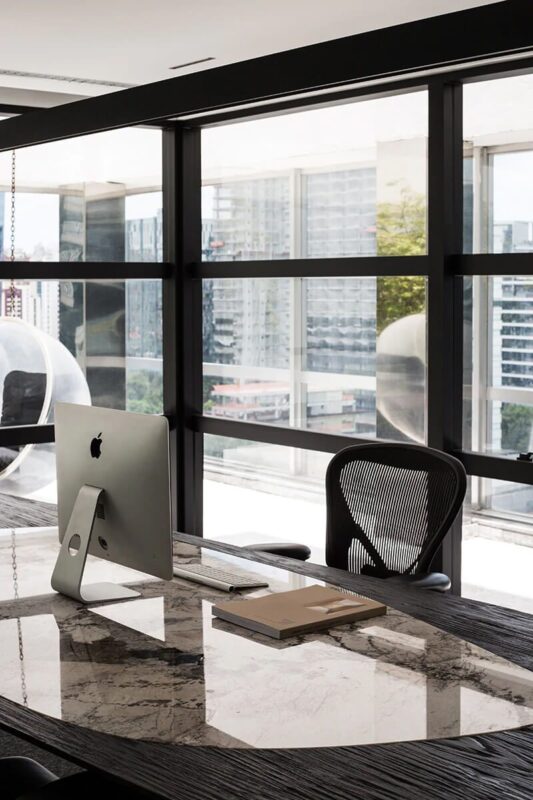
Escritório de Arquitetura de Luxo - Fernanda Marques

Contemporary Architecture: Concepts, Materials, and Urban Impact

Contemporary architecture stands out for its constant pursuit of innovation, efficiency, and sustainability. In recent decades, professionals in the field have explored new materials, technologies, and approaches to meet the demands of a rapidly changing society. Beyond functionality, a key focus of contemporary architecture is integrating buildings into their natural surroundings, respecting local identity, and seeking positive solutions for urban living.

What is contemporary architecture?

Contemporary architecture, often mistaken for modern architecture, refers to buildings and projects developed from the late 20th century to the present day. Unlike a single, defined style, it encompasses a wide range of approaches that reflect the spirit of the time in which they are conceived. While modernism valued simplicity and functionality, contemporary architecture goes further—combining new forms, bold volumes, and a deep commitment to sustainability.

It mirrors the cultural, technological, and economic diversity of today’s societies. To achieve this, it often employs innovative geometric forms, open spaces, and a seamless blend between indoor and outdoor environments. Additionally, the use of eco-friendly materials and intelligent resource management has become a top priority in contemporary architectural projects.

Escritório de Arquitetura de Luxo

Differences between Modern and Contemporary Architecture

Modern architecture, popularized in the early 20th century, focused on functionalism and the rejection of ornamentation. Iconic examples include buildings designed by Le Corbusier and Mies van der Rohe. Contemporary architecture, by contrast, is defined by its flexibility, adapting to current aesthetic and technological needs—such as incorporating artificial intelligence into architectural design and developing low-impact buildings.

Innovative materials in Contemporary Architecture

Material selection plays a crucial role in defining contemporary projects. Architects look for solutions that are not only aesthetically refined but also functional and sustainable. Here are some of the most widely used materials:

  • High-performance glass: Traditionally used in architecture, glass has acquired new functionalities. Today, high-performance glass is commonly applied to façades to provide abundant natural light and efficient thermal control. Technologies like photovoltaic glass, which converts sunlight into energy, are also emerging as key trends.
  • Self-healing concrete: Concrete remains essential in construction, and self-healing concrete represents a major innovation. It contains bacteria that produce limestone when cracks are detected, significantly reducing maintenance costs and increasing the durability of structures.
  • Cross-laminated timber (CLT): Known for its excellent structural strength, CLT is used in mid-rise buildings and enables faster construction with a smaller environmental footprint. This material is particularly suited to eco-conscious projects, as it emits significantly fewer greenhouse gases.
  • Sustainable steel and aluminum: Metals—especially steel and aluminum—are widely used in contemporary architecture. These recyclable, long-lasting materials help create lightweight yet durable structures. The use of recycled metal alloys is also growing, particularly in countries committed to reducing carbon emissions.

Sustainability in Contemporary Architecture

Sustainability is one of the cornerstones of contemporary architecture. Modern projects aim to minimize environmental impact through the responsible use of natural resources and the adoption of clean-energy technologies. Green buildings certified by programs such as LEED (Leadership in Energy and Environmental Design) have become benchmarks of best practices in the field.

The impact of Contemporary Architecture on urbanism

Contemporary architecture extends beyond individual buildings; it directly influences how cities are structured and experienced. New urban concepts—such as smart cities and sustainable urban planning—have emerged to rethink the relationship between built spaces and their inhabitants.

Sustainable urban planning

Sustainable urban planning seeks to design cities that meet the needs of the present without compromising future resources. This involves integrating green spaces, promoting efficient urban mobility, and building resilient infrastructure. Contemporary architectural projects play a vital role in advancing energy- and resource-efficient solutions.

Smart cities

Smart cities use technology to improve residents’ quality of life. Contemporary architecture plays a key role by creating connected, adaptable buildings that interact with urban infrastructure systems. The Internet of Things (IoT) and automation technologies are increasingly embedded in modern architectural designs.

Reimagined public spaces

Public spaces—such as squares and parks—are essential for collective well-being. Contemporary architecture rethinks these areas to make them more accessible, safe, and inviting. Interactive technologies like solar panels and smart lighting are transforming public spaces into dynamic hubs for community life and recreation.

Contemporary architecture reflects the needs of a constantly evolving society. Innovation, sustainability, and environmental integration are the guiding principles of today’s projects. With new technologies and materials, architects are redefining not only the shape of buildings but also the way we live in cities. The architecture of the future promises to be even bolder, more efficient, and more adaptable to the planet’s needs and those of its inhabitants.