
Luxury wine cellars

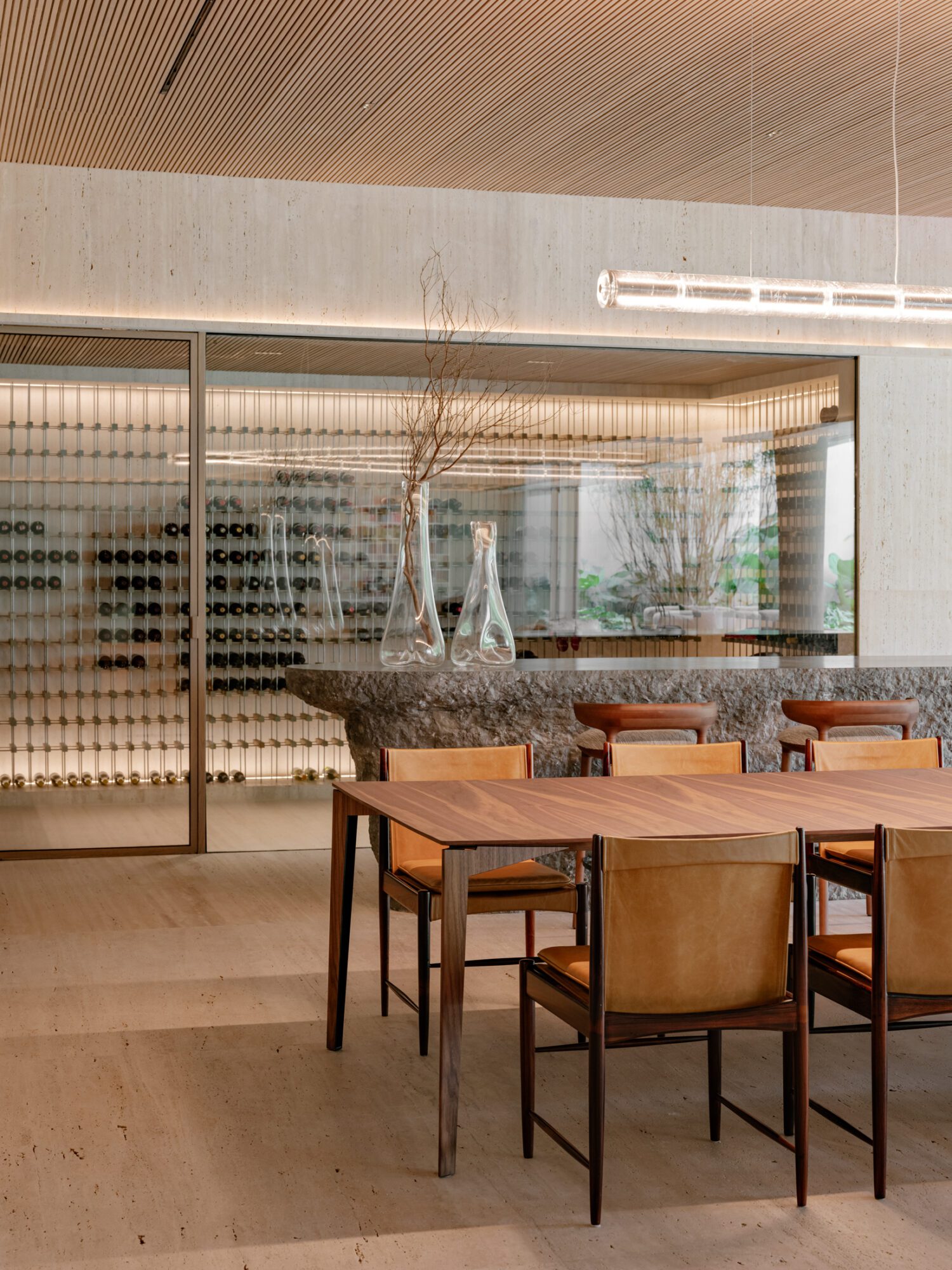
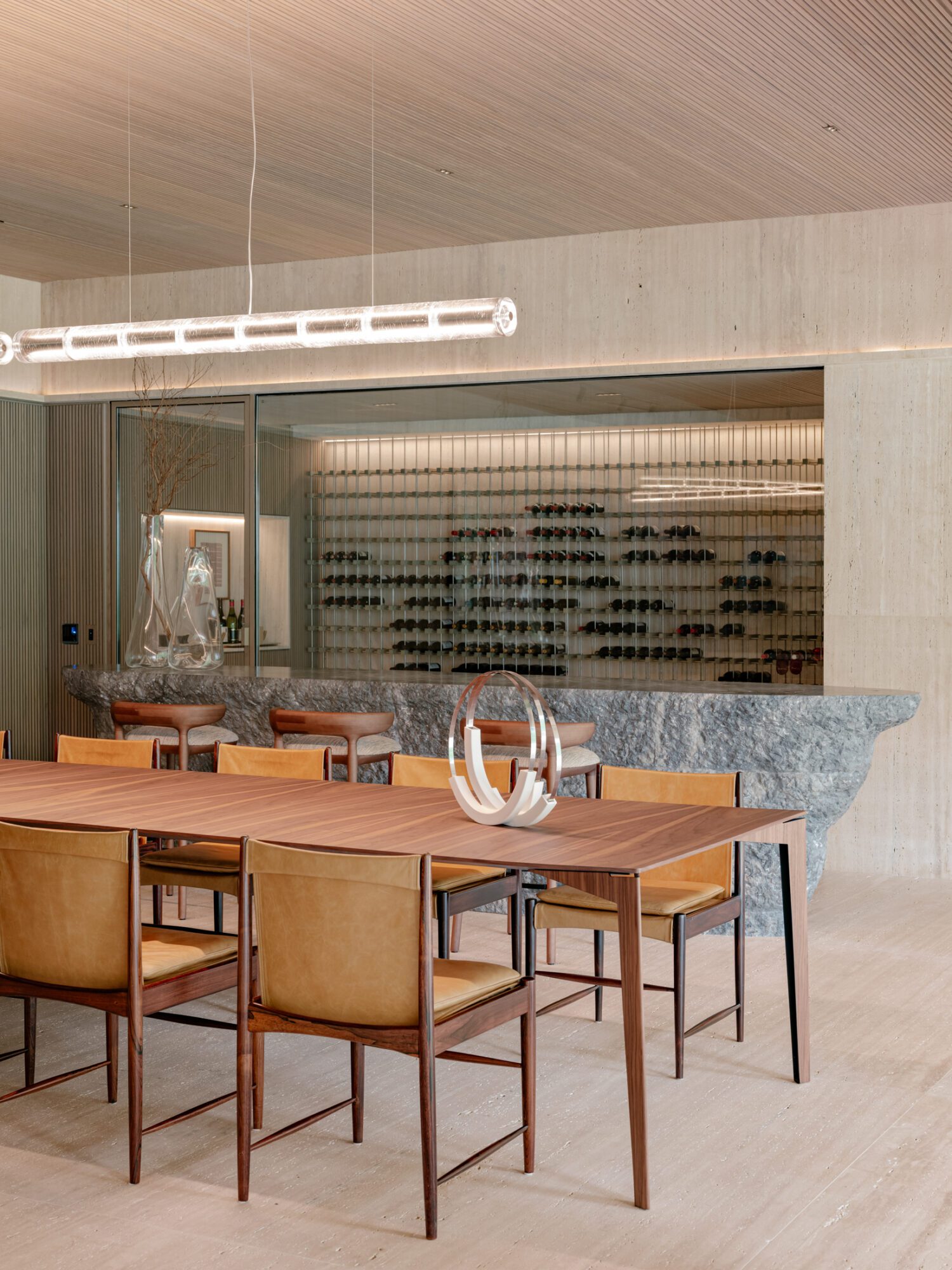
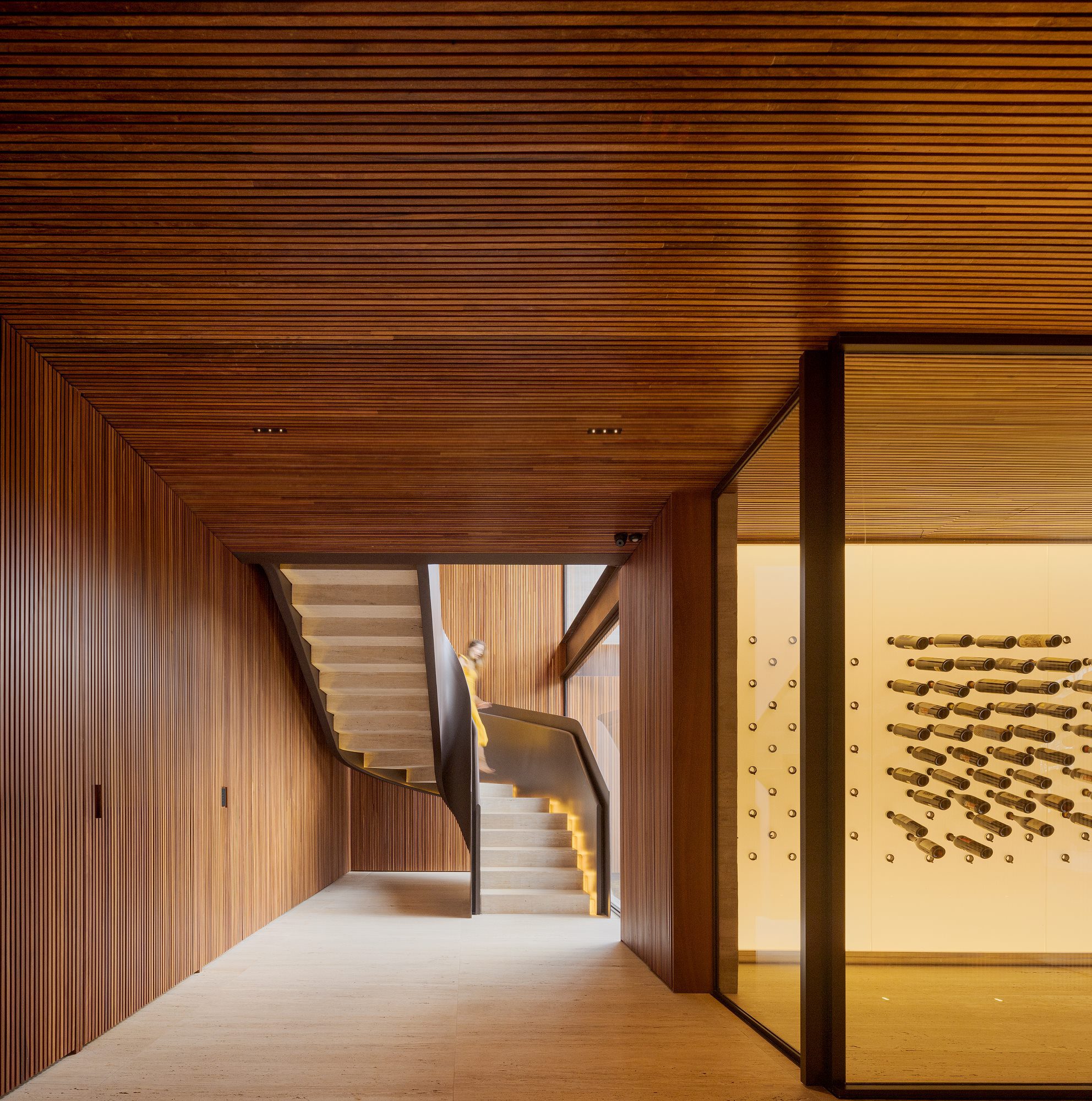
Luxury wine cellars have evolved far beyond their original role as simple wine storage. Today, they represent spaces of celebration, warmth, and refinement—true experiential environments within the home. In contemporary projects, such as those designed by the Fernanda Marques Architecture , the wine cellar becomes a strong architectural statement, thoughtfully planned to reflect lifestyle, visual identity, and deep respect for the essence of wine. Every detail is carefully considered to strike a perfect balance between form and function.

As technology advances and residential integration becomes more accessible and intuitive, the wine cellar transforms into an even more interactive space. Automated systems allow homeowners to monitor temperature, humidity, and even inventory directly from their smartphones, ensuring total environmental control and protection for valuable labels. Architecture embraces modern innovation without losing respect for winemaking tradition. This dialogue between past and present is central to Fernanda Marques’ vision, where visual elegance and sensory experience are equally valued.

In high-end residential projects, the wine cellar is no longer tucked away or hidden. Instead, it takes center stage near social areas, gourmet kitchens, or private lounges, becoming a natural gathering place. Wine carries stories, cultures, and personal journeys, and when a cellar is designed with refinement and technology, it becomes the perfect setting to preserve and share them.

To understand how these spaces have become icons of elegance and functionality—and to discover the elements that make a wine cellar truly unforgettable—keep reading this blog.

Architectural Design That Enhances Aesthetics and Functionality

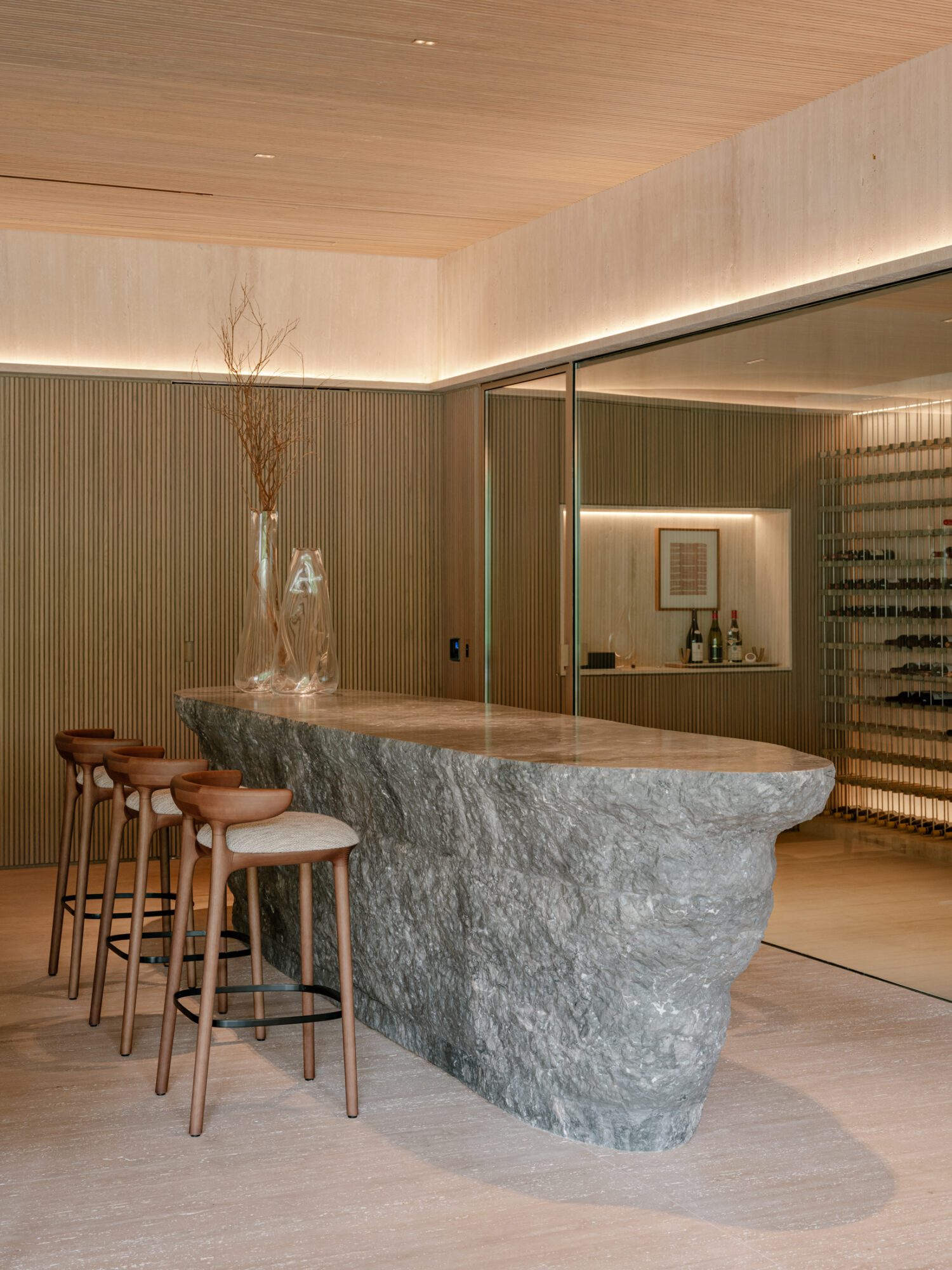
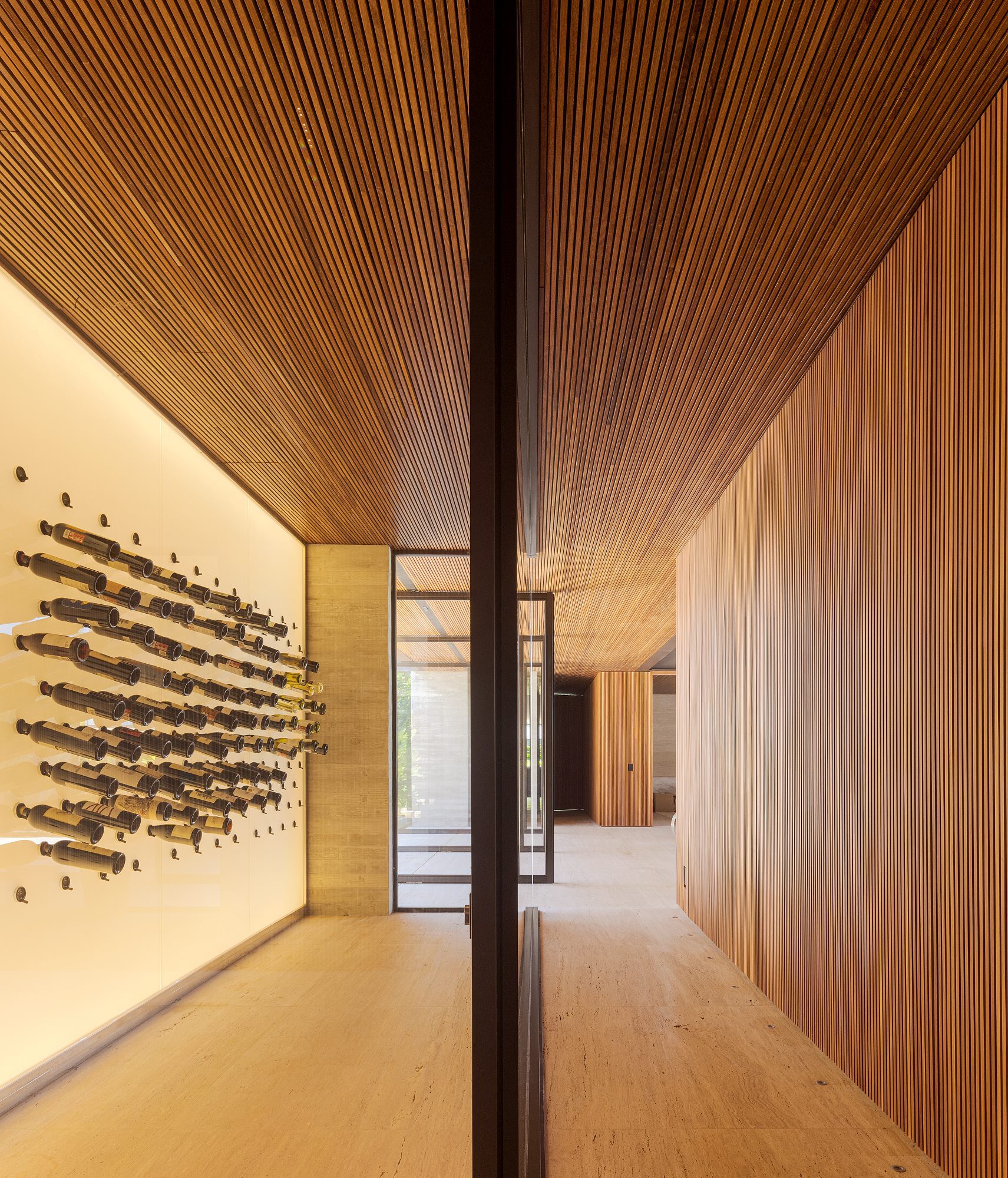
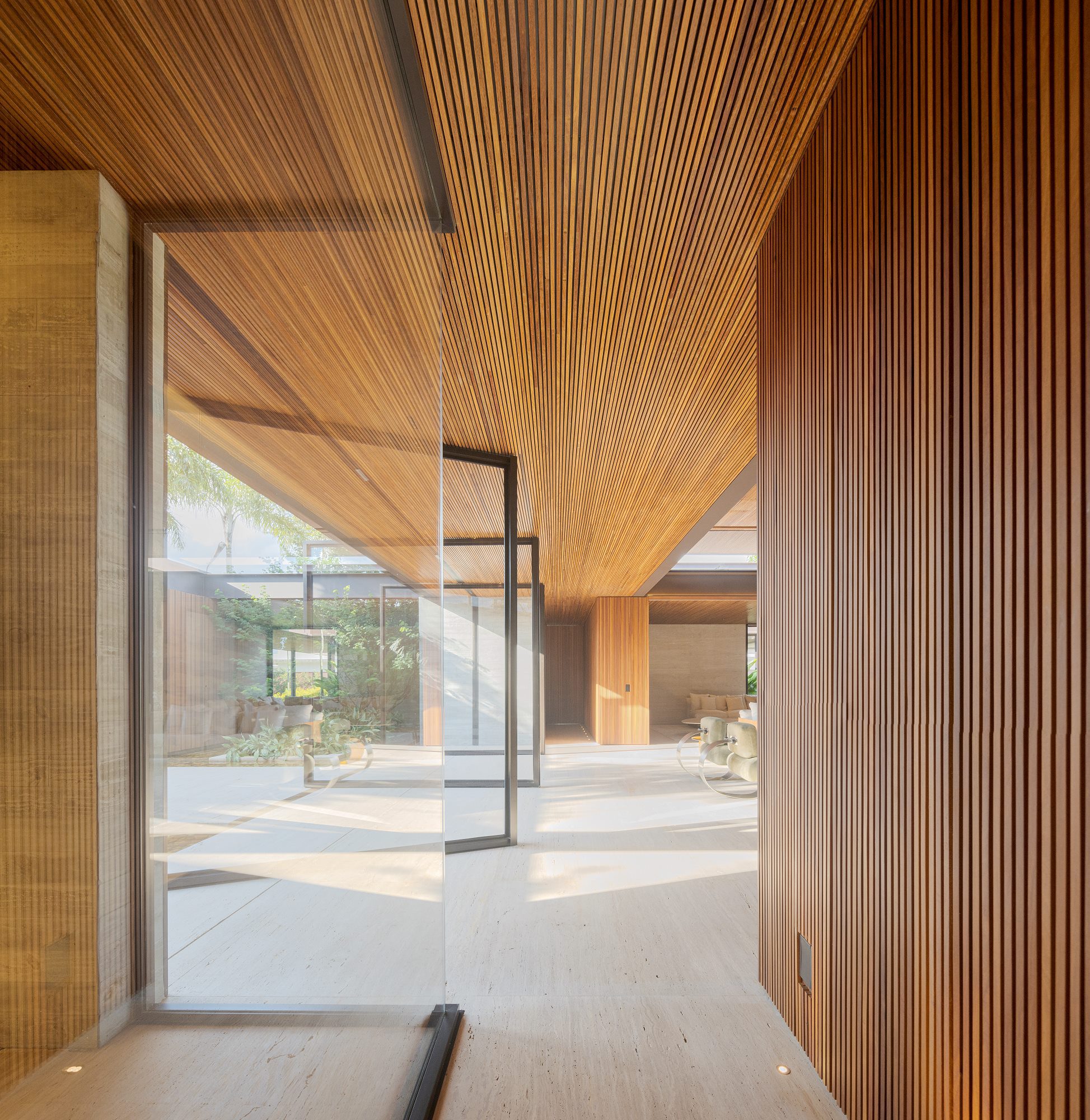
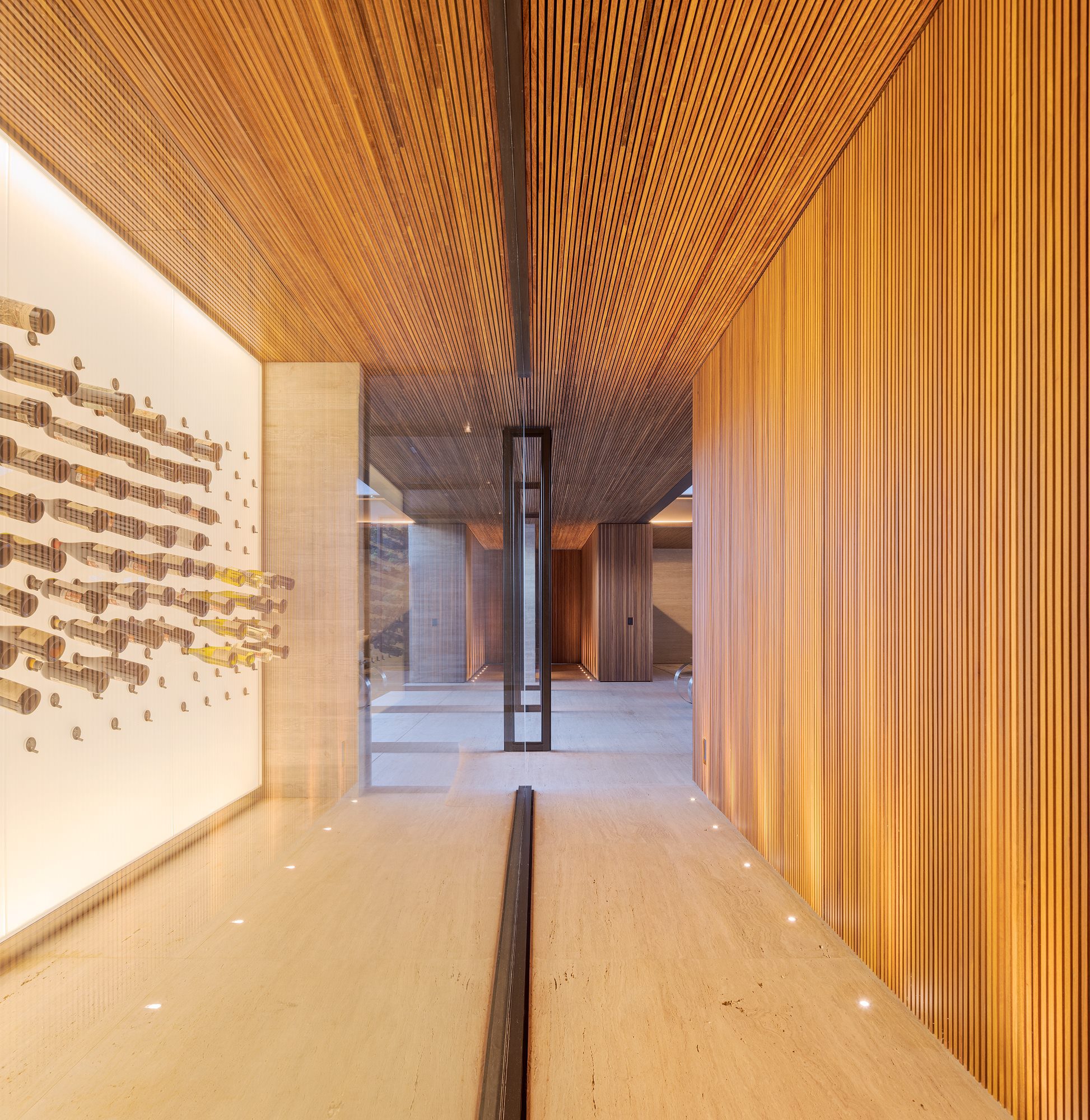
A wine cellar should be conceived as a seamless extension of the interior design, creating a visual and spatial connection with the rest of the home. At the Fernanda Marques Architecture, luxury wine cellar design is defined by the balance of noble materials, precise structures, and a clean, minimalist aesthetic. Glass, natural wood, stone, and refined metal finishes are frequent choices, resulting in sophisticated compositions that showcase wine bottles as true collectible pieces.

Functionality, however, is at the core of the project. Proper wine storage requires a carefully controlled environment—stable temperature, low vibration, protection from excessive light, and balanced air circulation. Sensory experience also benefits from this technical rigor, as wine is highly sensitive to environmental conditions. When these variables are addressed from the earliest design stages, the cellar becomes not only visually striking but also a highly efficient and precise preservation system.

The final aesthetic touch comes from meticulous lighting and display choices. Indirect lighting is essential to highlight labels without causing damage, while geometric shelving creates visual harmony. For Fernanda Marques, the wine cellar is an architectural element that must speak the same language as the home itself—resulting in a continuous, integrated, and inviting environment with no excess, just beauty, technique, and purpose.

Integrated Technology for Preservation and Convenience

Technological integration is what turns today’s wine cellars into truly smart spaces. Climate automation systems allow for precise control of temperature and humidity, preserving each bottle according to its specific needs. At the Fernanda Marques Architecture Studio, technology is incorporated discreetly and elegantly, maintaining the visual purity of the space while offering the homeowner complete control, both on-site and remotely.

Beyond climate control, smart sensors monitor any unexpected environmental changes and send real-time alerts directly to the owner’s phone, ensuring constant protection of the wine collection. Digital inventory solutions can also catalog vintages, regions, tasting notes, and ideal drinking windows. This elevates the collector’s experience, allowing them to interact with their cellar dynamically and intuitively—like navigating a curated library of memories.

The convenience provided by automation aligns perfectly with contemporary lifestyles, where time, comfort, and efficiency are essential. With a simple voice command or tap on an app, it’s possible to adjust lighting, check inventory, plan pairings, and integrate the wine cellar into the broader home automation system. In this way, the cellar becomes more than a storage space—it becomes a living, social environment designed for enjoyment, celebration, and connection, always ready for everyday moments and special occasions alike.

A Sensory Experience for Tasting and Immersion

Wine tasting is a ritual that engages all the senses, and the environment plays a crucial role in the quality of that experience. That’s why many luxury wine cellars incorporate tasting tables, comfortable seating, intimate lighting, and integrated sound systems. At the Fernanda Marques Architecture, these spaces are designed to create warm, refined atmospheres where time slows down and presence becomes more meaningful. The goal is not just to store bottles, but to create a setting for memorable moments.

Material choices are key to building this sensory atmosphere. Natural textures, warm surfaces, and handcrafted elements reinforce the connection between wine and its historical roots in the land. At the same time, glass and mirrored surfaces can enhance depth and perspective, presenting the collection like a curated art installation. Lighting is carefully calibrated to highlight the bottles without compromising preservation, creating sophisticated plays of light that reveal subtle visual nuances throughout the space.

The ultimate objective is to create an environment that invites people to stay, enjoy, and share. Wine naturally encourages conversation and togetherness, but when experienced in a space designed for sensory comfort, that experience becomes even more powerful. The wine cellar moves beyond storage and becomes part of the home’s narrative—a place for gathering, celebration, and pause. In Fernanda Marques’ projects, this connection between architecture and experience is unmistakable. Every detail is designed to engage sight, touch, silence, and dialogue. In this context, luxury wine cellars preserve moments, memories, and stories that unfold with every shared glass.