
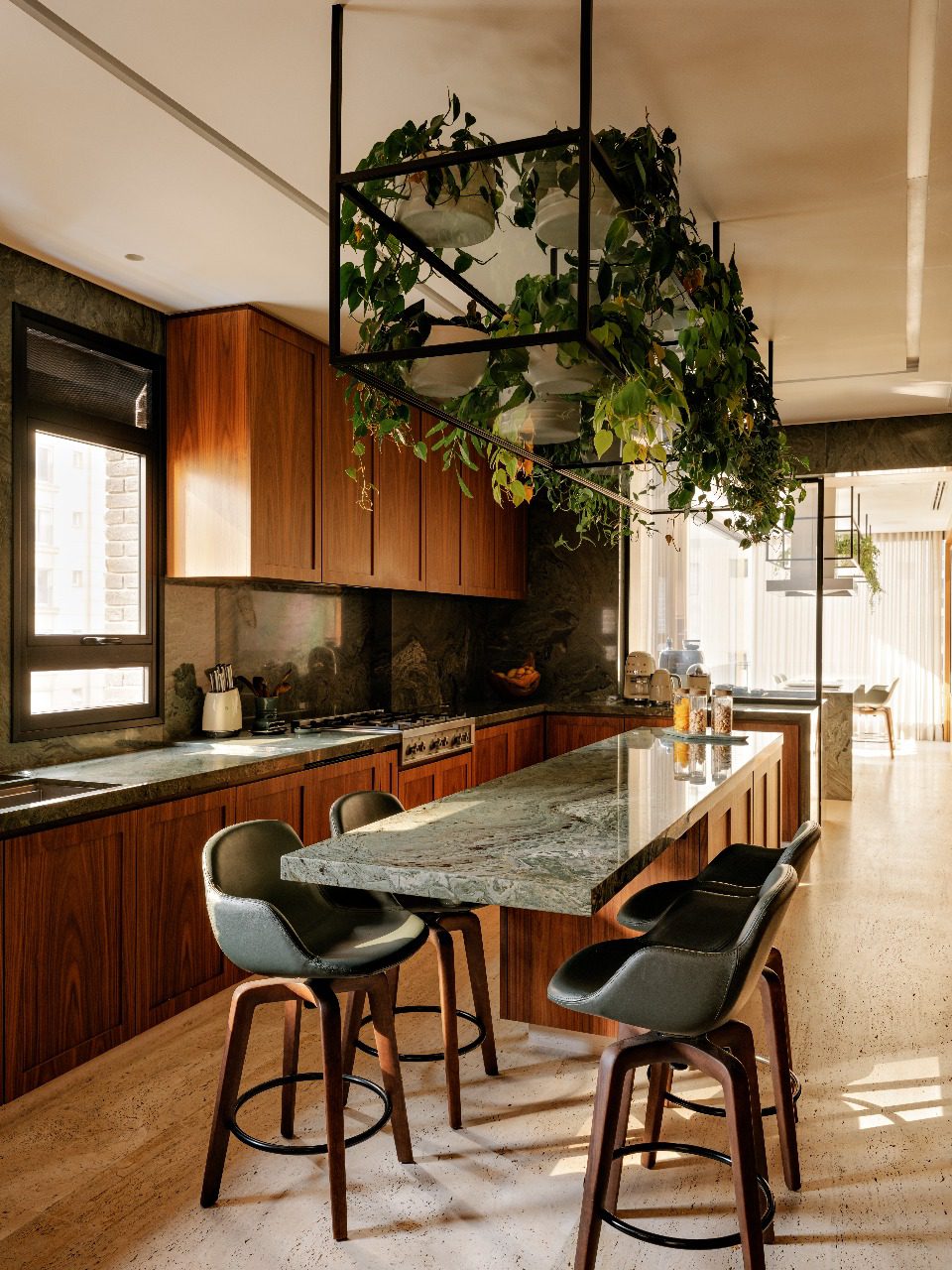
Smart glass in high-end residential projects

In modern homes, sophistication is revealed in the details—where design and technology converge to elevate the living experience. Among these innovations, smart glass has gained prominence in high-end residential projects for its ability to unite aesthetics, functionality, and comfort within a single architectural solution. Far beyond ordinary transparent surfaces, smart glass has become a defining element of contemporary spaces, reinforcing a sense of exclusivity and forward-thinking design.

Smart glass allows environments to adapt in real time to the lifestyle of those who inhabit them. With a single gesture, panels can shift from full transparency to complete opacity, offering privacy when needed without sacrificing the visual openness between spaces. This capability not only transforms environments but also redefines how architecture is perceived. In the luxury segment, smart glass transcends the notion of technological trend—it expands creative possibilities and elevates the value of each project.

In this article, explore the refinements and applications of smart glass in sophisticated homes, understand why it has become indispensable in exclusive projects, and see how it enhances architectural value through aesthetics, technology, and sustainability. Continue reading to discover how smart glass can transform the way you live.

What is smart glass and how does it work?

Smart glass—also referred to as privacy glass or electrochromic glass—is a high-technology material capable of altering its transparency through electrical or thermal stimuli. In practice, this means that within seconds, the surface can shift from fully transparent to opaque or softly diffused, adapting to the needs of the environment and its residents. This versatility opens new architectural possibilities where natural light and privacy can be dynamically and elegantly controlled.

Its functionality is made possible by internal layers applied to the glass, composed of materials that respond to electrical current. This chemical reaction changes how light passes through, enabling different levels of transparency. With the rise of smart homes, this resource has been integrated into home automation systems, allowing control through apps, voice commands, or pre-programmed settings. It is technology placed in service of architecture, providing a unique living experience.

More than an innovation, smart glass represents an evolution in the relationship between design and technology. It introduces new ways of interacting with residential spaces, creating environments that are flexible, adaptive, and attuned to the demands of comfort and privacy throughout the day.

Aesthetic enhancements when glass becomes a design feature

In contemporary architecture, glass is no longer a secondary element; it has become a protagonist in spatial design. Expansive glazed façades, integrated partitions, and transparent structural elements are hallmarks of modern homes that seek fluidity, lightness, and a seamless connection between interior and exterior. Within this context, smart glass emerges as the natural evolution—preserving the beauty of the material while adding adaptability to its use.

From an aesthetic standpoint, this technology unlocks an entirely new creative palette. Spaces can remain fully integrated during the day, maximizing natural light, and shift into more intimate ambiences at night with a simple command. This flexibility is especially valued in high-end projects where every detail is meticulously planned to combine functionality with exclusivity.

Another essential feature is the contribution to a minimalist, refined aesthetic. By eliminating the need for curtains or blinds in many situations, smart glass delivers clean lines, expansive views, and a sense of visual continuity. This approach reinforces the architectural language of contemporary luxury, where fewer visual elements result in greater elegance.

Tailored comfort and privacy

In luxury residences, comfort extends well beyond sophisticated furnishings or premium finishes. It lies in the home’s ability to adapt to the residents’ needs and desires at any moment. Smart glass embodies this adaptability by enabling control over privacy levels and lighting conditions in each space.

Imagine a primary suite with large windows facing a private garden. During the day, full transparency frames uninterrupted views and a connection to nature. At night, with a single touch, the glass becomes opaque, ensuring privacy without relying on curtains. This blend of practicality and visual comfort elevates the living experience and expresses true exclusivity.

In addition, this technology enhances thermal and acoustic comfort. Many smart glass models feature layers that assist in sound insulation and temperature regulation, creating quieter and more pleasant environments. In this way, privacy and well-being come together in one elegant, integrated solution.

Sustainability and energy efficiency

Sustainability has become a fundamental pillar of contemporary architecture—especially in high-end projects that seek to combine luxury with environmental responsibility. Smart glass contributes significantly to this purpose by improving the energy performance of residential spaces.

By enabling control over heat and light entering the home, smart glass reduces the need for air conditioning and artificial lighting. On sunny days, transparency can be adjusted to block excess solar radiation, keeping interiors naturally cool. On cloudy days, maintaining transparency maximizes daylight and reduces electricity consumption.

This balance results in a more comfortable and environmentally conscious home, with lower long-term operating costs. The use of smart technologies in architecture also increases property value, reinforcing perceptions of modernity, innovation, and environmental stewardship—qualities highly prized in exclusive residences.

Integration with home automation systems

Another factor that makes smart glass particularly appealing for luxury projects is its seamless integration with home automation. In connected homes, it is possible to program the behavior of glass panels based on schedules, weather conditions, or the residents’ personal preferences.

The home can automatically adjust transparency levels throughout the day, optimizing natural light and providing comfort at all times. Social areas can become more transparent during gatherings or events, while intimate areas can automatically become more private in the evening. Control can be exercised through smartphones, tablets, smart panels, or even voice assistants, adding convenience and a futuristic ambiance to everyday life.

More than ease of use, automation combined with smart glass creates a personalized living experience aligned with the dynamic and discerning lifestyle of residents seeking exclusivity.

Applications in high-end residential projects

Smart glass adapts to various areas of the home, offering tailored solutions for each purpose. On frontages, it enhances architectural expression by creating continuous surfaces that shift between transparency and privacy. In social spaces such as living and dining rooms, it promotes seamless integration between indoor and outdoor areas, reinforcing the sensation of openness and fluid motion.

In suites and bathrooms, smart glass becomes an ally of comfort and privacy. It allows partitions to transition from transparent to opaque, transforming bathrooms into private spa-like retreats. In home offices, it helps control natural light, improving visual comfort during work.

The creative applications extend to staircases, corridors, and interior partitions—each use reinforcing the contemporary identity of the project. Every installation adds sophistication, functionality, and a distinctive experience that sets the residence apart in the luxury market.

Technology and sophistication in harmony

Smart glass represents one of the most significant advances in contemporary architecture, especially within the realm of high-end residential design. It brings together aesthetics, comfort, privacy, and sustainability in a single solution capable of transforming the living experience into something even more refined and innovative.

For architecture studios such as Fernanda Marques, which seek to express contemporary luxury in every detail, this technology enhances exclusive projects and reflects the residents’ lifestyle. More than a trend, it is an architectural evolution that redefines the concept of modern living.

By choosing smart glass, clients invest not only in technology but in a new way of inhabiting their spaces—one in which each room adapts to their needs, enhances well-being, and expresses their individuality. It is the future of luxury architecture, already shaping the world’s most sophisticated homes.